What Are the Top 10 Lighting Solutions for Global Buyers?
Choosing the right Lighting Solutions can shape energy costs, workplace safety, product quality, and customer experience. Global buyers now compare more than brightness and purchase price. They examine efficiency, durability, color accuracy, controls, maintenance, and supplier support. A warehouse may need high-bay fixtures that illuminate narrow aisles without harsh shadows. A hotel may require warm, dimmable light that protects its visual character. Outdoor projects face rain, dust, vibration, and temperature changes.
This guide explores the top 10 Lighting Solutions for international procurement teams, contractors, facility managers, and commercial developers. Each option is considered through practical factors, including lumen output, beam angle, color rendering, ingress protection, warranty terms, and expected service life. Reliable buyers should also verify product testing, electrical compatibility, certifications, and documentation for the destination market. These details can prevent expensive delays.
No single solution fits every project. A low unit price may hide higher replacement and installation costs. Even experienced teams sometimes overlook glare, spare-part availability, or local installer skills. That deserves attention. The best decision usually comes from matching performance with the building’s real operating conditions. Samples, photometric files, and pilot installations can reveal problems that brochures miss. Supplier communication matters too. Clear specifications and responsive after-sales support often separate a dependable partner from a convenient seller. The following overview offers a grounded starting point, while reminding buyers to validate every recommendation against their own site, budget, regulations, and long-term goals.

Defining the Main Types of Lighting Solutions for Global Buyers
Global buyers need to define lighting solutions by function, environment, and control requirements.
Ambient lighting provides general illumination for offices, homes, and public interiors.
Task lighting concentrates light on desks, counters, and workstations.
Accent lighting highlights artwork, products, or architectural details.
Decorative lighting adds visual character, but performance still matters.
Architectural lighting integrates into ceilings, walls, façades, or landscape structures.
Industrial high-bay lighting serves warehouses, factories, and tall production spaces.
Street and roadway lighting supports visibility across public routes.
Solar lighting combines photovoltaic panels, batteries, and efficient fixtures for areas with limited grid access.
Emergency lighting guides occupants during power failures.
Smart lighting uses sensors, timers, and network controls.
Horticultural lighting supports controlled plant growth.
These ten categories often overlap.
Specifications should match real operating conditions.
Buyers should compare lumens, beam angles, color temperature, color rendering, rated life, and power consumption.
Outdoor projects also require suitable ingress protection and corrosion resistance.
Regional electrical standards and documentation must be checked before purchase.
A reliable supplier should provide test reports, installation guidance, warranty terms, and clear replacement information.
Details matter.
I have seen projects fail because buyers selected wattage before studying ceiling height or surface reflectance.
That approach feels simple, but it can produce glare, dark zones, and unnecessary costs.
Solar systems need careful battery sizing.
Smart systems may require stronger technical support than expected.
Even experienced teams should review samples under actual conditions.
Small mistakes remain expensive.
Comparing LED, Smart, Solar, and Energy-Efficient Lighting Systems
Global buyers are comparing ten practical lighting solutions: LED bulbs, linear LED fixtures, high-bay LEDs, smart lamps, occupancy sensors, daylight controls, solar streetlights, emergency lights, tunable-white systems, and low-voltage modular lighting.
Each serves a different space. LEDs suit homes and factories. High-bay fixtures handle tall warehouses. Solar systems reduce grid dependence in remote areas, but battery replacement remains an overlooked cost.
Smart controls can dim fixtures, detect movement, and adjust color temperature. They also need reliable networks and trained installers.
The U.S. Department of Energy reports that LED lighting uses at least 75% less energy and lasts up to 25 times longer than incandescent lighting. Its Solid-State Lighting research also shows continued gains in efficacy and quality.
The International Energy Agency links efficient lighting with lower electricity demand, especially when LEDs combine with controls. These figures are useful, not magic.
Poor heat management can shorten LED life, while cheap sensors may create irritating delays. Payback calculations should include installation, maintenance, software, batteries, and disposal.
Tips:
Request photometric files before buying. Check lumens, not only wattage. Compare color rendering, glare, flicker, ingress protection, and warranty terms.
For solar projects, measure winter sunlight and battery autonomy. Select products tested under recognized safety and performance standards.
A lighting audit can reveal that replacing every fixture is unnecessary. Sometimes, better controls deliver larger savings. That feels less impressive, but it is often more responsible.
Reports from the U.S. Department of Energy and IEA provide credible benchmarks, yet local energy prices and regulations still decide the final business case.
Evaluating Lighting Solutions by Performance, Cost, and Sustainability
What Are the Top 10 Lighting Solutions for Global Buyers?
Evaluating Lighting Solutions by Performance, Cost, and Sustainability
Global buyers need more than attractive fixtures. They need verified performance, predictable costs, and lower environmental impact. The ten strongest options include LED bulbs, LED tubes, panel lights, linear fixtures, high-bay lights, streetlights, floodlights, solar lights, motion-sensor lights, and smart lighting systems. Each option serves a different operating condition.
In commercial projects, I compare lumens per watt, color rendering, heat control, and expected service life. High-bay fixtures should maintain stable output in dusty warehouses. Panel lights should reduce glare in offices and classrooms. Street and floodlights need suitable IP protection for rain exposure. Solar lights can reduce grid costs, but cloudy seasons may weaken reliability. Performance claims require independent test reports, not attractive product descriptions.
Cost evaluation should include installation, maintenance, energy use, replacement parts, and disposal. A low purchase price can become expensive after repeated failures. Smart controls often save energy through dimming and occupancy detection. However, they add setup complexity and may require trained technicians. Sustainability also involves recyclable materials, repairable drivers, efficient packaging, and responsible manufacturing evidence. Some carbon claims remain difficult to verify. Buyers should request product datasheets, warranty terms, photometric files, and lifecycle information before approving large orders. No solution wins everywhere. Site conditions still decide the result.
What Are the Top 10 Lighting Solutions for Global Buyers? - Evaluating Lighting Solutions by Performance, Cost, and Sustainability
| Rank | Lighting Solution | Typical Efficacy (lm/W) |
Rated Life (hours) |
Typical Unit Cost (USD) |
Energy Saving vs. Conventional Option |
Maintenance Profile | Sustainability Characteristics | Best-Fit Applications |
|---|---|---|---|---|---|---|---|---|
| 1 | LED A-Lamp Retrofit | 80–120 | 15,000–25,000 | $2–$10 | 70–90% | Low; direct replacement | Usually mercury-free; lower material and energy demand than incandescent lamps | Homes, hotels, offices, retail spaces |
| 2 | LED Tube Retrofit | 100–160 | 30,000–50,000 | $5–$20 | 50–65% | Low; check ballast compatibility | Reduces mercury-containing lamp use; recyclable components depend on local facilities | Offices, schools, supermarkets, industrial buildings |
| 3 | Integrated LED Panel | 100–140 | 50,000–75,000 | $25–$90 | 40–60% | Low; whole-unit replacement may be required | Long operating life and reduced power consumption; select low-plastic and repairable designs | Commercial offices, classrooms, healthcare facilities |
| 4 | LED High-Bay Fixture | 130–190 | 50,000–100,000 | $120–$450 | 50–70% | Low; fewer relamping cycles | Lower electricity use and reduced lift-equipment visits; thermal design affects service life | Warehouses, factories, sports halls, logistics centers |
| 5 | LED Street and Area Light | 110–170 | 75,000–150,000 | $180–$900 | 50–70% | Low; programmable dimming available | Reduces electricity and light pollution when properly shielded and dimmed | Roads, parking areas, campuses, public spaces |
| 6 | Solar LED Streetlight | 120–180 | 50,000–100,000 | $500–$2,000 | 100% grid-energy reduction during operation | Moderate; battery replacement required | Uses renewable on-site generation; battery chemistry, recycling, and local solar conditions are critical | Remote roads, rural communities, parks, pathways |
| 7 | Occupancy and Daylight Controls | Not applicable | 10–20 years | $20–$200 per control point | 20–60% | Low; sensors may need recalibration | Cuts operating hours and peak demand without replacing every fixture | Offices, classrooms, warehouses, parking structures |
| 8 | Connected LED Lighting System | 100–180 | 50,000–100,000 | $80–$350 per fixture | 30–70% | Low to moderate; software support required | Real-time monitoring, scheduling, dimming, and energy reporting support efficient operation | Large buildings, campuses, retail networks, smart-city projects |
| 9 | LED Floodlight and Sports Light | 120–170 | 50,000–100,000 | $150–$1,200 | 40–65% | Low; aiming and cleaning still required | Efficient optical control can reduce spill light and unnecessary illumination | Sports venues, façades, construction sites, security areas |
| 10 | Daylight-Harvesting Skylight and Tubular System | Not applicable | 15–25 years | $300–$1,500 per unit | 20–70% during daylight hours | Low; clean diffusers and inspect seals | Uses natural light and can reduce daytime electrical lighting demand | Factories, warehouses, retail buildings, schools |
Matching Lighting Technologies to Residential, Commercial, and Industrial Uses
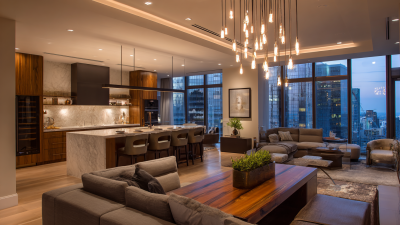
Choosing lighting for global projects requires more than comparing wattage and price. Residential spaces often benefit from LED bulbs, recessed downlights, wall lights, and tunable smart fixtures. These solutions support comfortable bedrooms, focused kitchens, and softer living areas. Good color rendering matters when people choose clothing or prepare food. However, excessive brightness can make a home feel harsh and tiring.
Commercial interiors need different control and visual priorities. Linear fixtures suit offices and retail aisles, while track lighting highlights displays and architectural details. Emergency lighting supports safe movement during power interruptions. In industrial settings, high-bay fixtures illuminate tall warehouses, low-bay fixtures serve shorter ceilings, and floodlights cover loading zones or outdoor work areas. Weather-resistant street or perimeter lighting can improve visibility around facilities. A professional design should check beam angles, glare, flicker, heat, maintenance access, and local electrical requirements. A perfect specification rarely survives installation. Ceiling height, dust, and worker habits often change the result.
Tips: Match each fixture to the task, not just the room. Request photometric data and verify the actual lux level on site. For humid or dusty locations, check the IP rating carefully. Controls can reduce energy use, but complicated systems may frustrate occupants. Test samples in the real space before ordering large quantities. Reflective surfaces can also mislead the eye; bright walls may hide uneven floor lighting.
Selecting Reliable Lighting Suppliers for International Purchasing Needs
What Are the Top 10 Lighting Solutions for Global Buyers?
Selecting Reliable Lighting Suppliers for International Purchasing Needs
Global buyers often compare ten practical lighting solutions: LED bulbs, panels, downlights, floodlights, streetlights, high-bay fixtures, emergency lights, solar luminaires, track lights, and smart controls. Each solution serves a different space. A warehouse may need high-bay fixtures with stable heat management. A hotel may require dimmable downlights with consistent color quality. Outdoor projects need strong sealing, corrosion resistance, and carefully tested drivers.
Supplier selection should begin with product evidence, not attractive catalog images. Ask for photometric files, electrical test reports, material specifications, and sample units. Check whether the supplier can provide consistent color temperature across production batches. Review the warranty terms carefully. Some warranties sound generous but exclude drivers, outdoor exposure, or installation errors. That detail can create unexpected costs.
Communication also reveals operational reliability. A capable supplier should explain lead times, packaging methods, replacement procedures, and customization limits clearly. Request a pilot order before committing to large quantities. Inspect screw terminals, cable joints, heat sinks, and printed markings. Small defects often become expensive at scale. A lower price is not always better. Sometimes, it hides weaker components or limited quality control. Buyers should also confirm regional voltage compatibility and applicable safety requirements with qualified professionals. Perfect evaluation is difficult. A written checklist still reduces avoidable mistakes.
What Are the Top 10 Lighting Solutions for Global Buyers?
The chart compares representative typical luminous efficacy levels for widely purchased commercial and industrial lighting solutions. Higher lumens per watt generally indicate better energy efficiency, but international buyers should also verify safety certifications, voltage compatibility, ingress protection, warranty terms, and supplier quality controls.
Values are representative typical commercial ranges expressed as approximate midpoint efficacy in lumens per watt (lm/W). Actual performance varies according to LED package, optics, driver efficiency, color temperature, housing design, and operating conditions.
Related Posts
-
Top 2025 Innovations in Lighting Solutions for Sustainable Living and Smart Homes
-
Transform Your Space with Brilliant Home Lighting Ideas for Every Mood
-
Why Outdoor Security Lighting is Essential for Home Safety?
-
Best Commercial Building Lighting Solutions for Your Business?
-
How to Choose the Best Traditional Lighting for Your Space?
-
Solutions for Optimal Commercial Lighting Innovations