Why Choose Energy Efficient House Lighting?
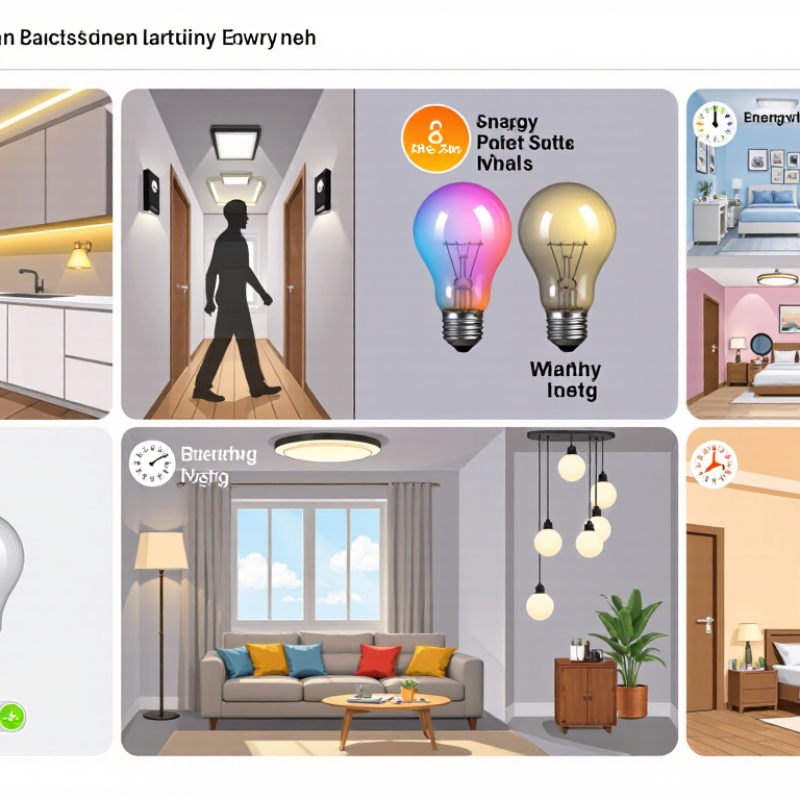
Choosing energy efficient House Lighting is not only about lowering an electricity bill. It is about creating rooms that feel comfortable, safe, and purposeful. A well-planned LED fitting can illuminate a kitchen worktop with less heat and lower wattage. In a hallway, a motion sensor can prevent lights from staying on all night. Small decisions become visible on the monthly meter.
Lighting researcher Dr. Mariana Figueiro states, “Light is the most powerful synchronizer of the human circadian system.” Her observation explains why efficient lighting must also consider timing, brightness, and color. Warm light near bedtime may feel calmer than a bright, blue-rich lamp. Daylight sensors can reduce unnecessary use beside a sunny window. However, efficiency alone does not guarantee good design. A cheap bulb may flicker, produce harsh shadows, or fail early. That is a frustrating mistake.
Reliable House Lighting begins with measurable choices. Compare lumens, not watts, and check the product’s color-rendering index. Look for recognized safety certifications and clear warranty information. Experienced installers also consider ceiling height, glare, ventilation, and maintenance access. A dimmer must match the lamp, or performance may become unstable. Upfront costs can be higher, especially for quality controls and fittings. Still, longer service life may reduce replacements, waste, and labor over time. Results depend on the room and the household. There is no perfect formula. Careful testing remains necessary.
What Is Energy-Efficient House Lighting?
Energy-efficient house lighting means producing useful brightness with less electricity and less wasted heat. It starts with lumens, not watts. Lumens measure visible light, while watts measure energy use. A modern LED lamp can deliver the same brightness as an incandescent bulb with far less power. The U.S. Department of Energy reports that LEDs use at least 75% less energy and can last up to 25 times longer. ENERGY STAR guidance supports similar savings for certified LED products. The difference is visible in a kitchen: a cool, bright worktop without a hot bulb above it.
Tips: Check lumens before buying. Choose warm white light, around 2700K to 3000K, for bedrooms and living rooms. Use higher color temperatures near desks or work surfaces. Motion sensors help in hallways, but poor placement can cause annoying switches. I learned that the hard way. Also, dimmers must match the lamp. Otherwise, flickering may appear.
Efficient lighting includes controls, daylight use, and thoughtful placement. A desk lamp can reduce the need to illuminate an entire room. Curtains and pale wall colors can spread daylight farther. The U.S. Environmental Protection Agency notes that efficient lighting reduces household energy demand and replacement waste. Still, lower energy use is not automatic. Leaving ten efficient lamps switched on all evening can waste more energy than using two carefully positioned lamps. Comfort matters too; harsh light may encourage people to install extra fixtures.
Why Choose Energy-Efficient House Lighting?
What Is Energy-Efficient House Lighting?
Energy-efficient house lighting provides useful brightness while consuming less electricity. The chart compares the typical power required by common lamp technologies to produce approximately 800 lumens, similar to the light output of a traditional 60-watt incandescent bulb.
The comparison uses representative household lamp ratings: incandescent 60 W, halogen 43 W, compact fluorescent 13 W, and LED 9 W. For the same brightness, lower wattage means lower electricity use and less heat released into the room. Actual performance can vary by lamp design, color temperature, and product quality.
How Energy-Efficient Lighting Reduces Household Energy Use
Why Choose Energy Efficient House Lighting?
Energy-efficient lighting can reduce household energy use without making rooms feel dim or uncomfortable. In practice, replacing a 60-watt incandescent bulb with a similar-lumen LED may reduce lighting electricity by roughly 80 percent. A 9-watt LED can provide comparable brightness, but shoppers should compare lumens rather than watts. Lower wattage alone does not guarantee good lighting. I noticed the difference in a small kitchen: one efficient ceiling light illuminated the worktop clearly, while an older bulb wasted heat above it. Efficient bulbs also usually last longer, reducing replacement trips and household waste.
Tips: Turn off lights in empty rooms, but do not obsess over every brief absence. Use daylight near windows. Install dimmers where compatible, and choose warm light for bedrooms. Motion sensors can help in hallways and bathrooms. Clean dusty shades, because dirt quietly reduces useful brightness. Check the fixture’s instructions before changing bulb types.
Lighting is only one part of a home’s energy use. Heating, cooling, and appliances may consume much more electricity. Still, small lighting changes can lower everyday demand, especially in homes with many bulbs. I once installed a very bright lamp in a reading corner and used it less often because it felt harsh. That was an inefficient choice, despite the efficient bulb. Comfort matters. Measuring monthly electricity use can reveal whether a lighting change actually helps, and the results may be less impressive than expected.
Which Lighting Technologies Improve Efficiency?
Why Choose Energy Efficient House Lighting?
The best lighting technology depends on room use, brightness needs, and control habits. Light-emitting diode bulbs usually provide more lumens per watt than older incandescent options. They also last longer and produce less wasted heat. This matters in kitchens, where lights may remain on for hours. Check color rendering before buying. A high color rendering value can make vegetables, wood, and painted walls look more natural. Warm white light suits bedrooms, while cooler light may help with detailed tasks.
Efficiency improves further when technology matches behavior. Occupancy sensors can switch hallway lights off after movement stops. Daylight sensors can reduce artificial lighting near bright windows. Dimmable fixtures may save energy, but only when the bulb and control are compatible. Poor pairing can cause flicker, buzzing, or limited dimming. I once assumed every LED bulb worked with every dimmer. That assumption was wrong. Energy labels, certified testing, and installation guidance provide more reliable decisions than appearance alone.
Tips: Measure the room before choosing brightness. Compare lumens, not wattage. Use timers in low-traffic areas. Clean dusty shades twice a year, because dirt reduces useful light. Keep one spare bulb, but avoid replacing working lamps unnecessarily. Even efficient lighting can waste energy when controls are ignored. Small habits matter.
What to Consider When Choosing Efficient Home Lighting
Why Choose Energy Efficient House Lighting?
Choosing efficient home lighting involves more than replacing old bulbs. Start by observing each room at different times of day. A kitchen may need bright, even light for safe food preparation. A bedroom usually benefits from softer illumination and warmer color temperatures. Measure brightness in lumens, not watts. Lower wattage does not always mean adequate light.
Check the product’s energy label, expected lifespan, and color rendering information. A high color rendering index can make vegetables, fabrics, and skin tones appear more natural. Look for suitable color temperatures, such as warm white for living areas.
In workspaces, cooler light may improve alertness, though personal comfort matters. I once installed very bright lamps above a desk and found them tiring after an hour. The energy use was low, but the placement was poor.
Controls also affect real-world efficiency. Motion sensors work well in hallways, while dimmers can reduce unnecessary brightness in living rooms. Make sure fixtures and controls are compatible before installation. Natural daylight should guide the layout, but direct sunlight can create glare on screens.
Dusty shades reduce useful light, so regular cleaning matters. Safety remains essential: use certified electrical products and follow local installation requirements.
Some efficient lamps cost more initially, and their claimed lifespan may not match every household’s usage. Check the warranty and calculate energy costs over several years.
Small choices matter. Experiences vary.