Why Are Smart Watches a Top Global Sourcing Choice?
Smart Watches have moved from niche electronics to a strategic global sourcing category. They combine health tracking, mobile connectivity, payments, and everyday convenience in one compact device. Counterpoint Research reported that global smartwatch shipments declined by 7% in 2024, yet leading brands continued investing in premium models and regional distribution. That contrast matters. Demand is uneven, but sourcing opportunities remain active.
Procurement teams value Smart Watches because their components come from an established electronics ecosystem. Suppliers can combine displays, batteries, sensors, Bluetooth modules, software, and packaging within mature manufacturing clusters. A buyer may inspect a factory line where watches are tested for heart-rate accuracy, charging stability, and water resistance. IDC’s Worldwide Quarterly Wearable Device Tracker recorded more than 530 million wearable-device shipments in 2024, including smartwatches, earbuds, and fitness trackers. The broader category signals strong production capacity, although it does not measure watches alone.
The numbers are not perfectly aligned. Different reports use different definitions, regions, and shipment periods. That limitation deserves attention before a sourcing decision is made. Product teams should compare supplier audits, certification records, defect rates, battery performance, and after-sales data. Statista and Grand View Research both identify continued long-term growth in wearable technology, but forecasts remain assumptions, not guarantees. A low factory price can look attractive beside a sample smartwatch with a bright screen and smooth strap. Hidden costs may appear later through software support, returns, compliance testing, or inconsistent component quality. Therefore, Smart Watches are a top global sourcing choice not simply because demand is large, but because scalable suppliers, flexible designs, and measurable quality systems can support responsible international growth.
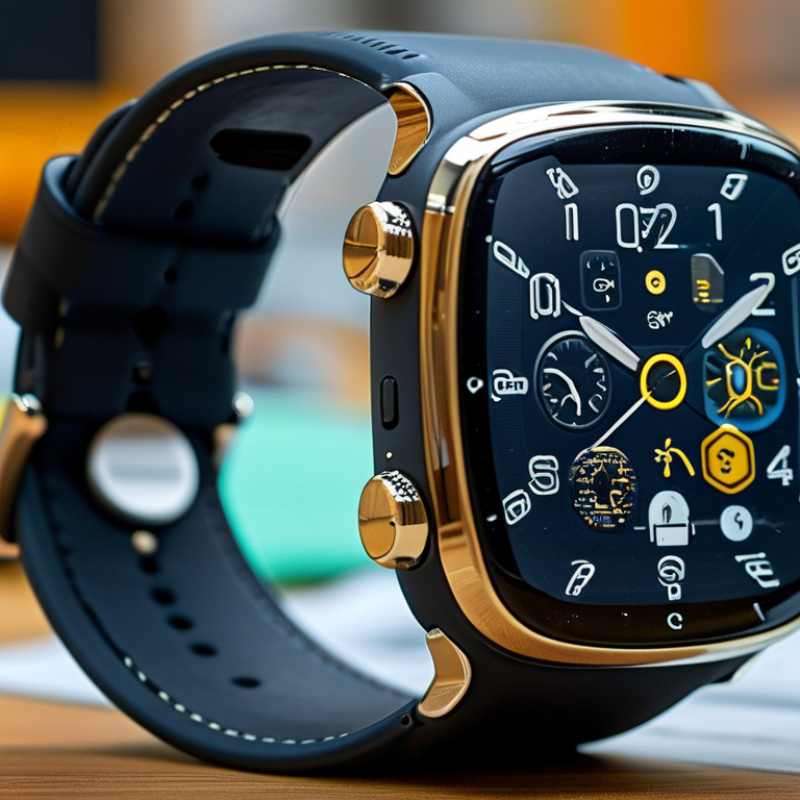
Smart Watch Market Overview and Core Functions
Smart watches have become a major global sourcing choice because they combine health tracking, communication, and convenience. The worldwide market serves fitness users, office workers, older adults, and outdoor enthusiasts. Demand is growing across both developed and emerging economies. Buyers often seek reliable devices with practical functions rather than crowded feature lists. That shift matters. Not every feature creates real value.
Core functions usually include heart-rate monitoring, step counting, sleep analysis, and activity tracking. Many devices also measure blood oxygen levels, though readings should not replace professional medical advice. GPS supports walking, cycling, and travel records without requiring a phone nearby. Notifications display calls, messages, calendars, and reminders on a small screen. Some models support contactless payments, emergency alerts, or simple wellness prompts. Battery performance remains a key buying factor. A device that needs daily charging may frustrate active users. Screen brightness, water resistance, sensor accuracy, and app compatibility also influence everyday use.
For international sourcing, suppliers should provide clear specifications, test reports, material details, and after-sales procedures. Regional rules may affect wireless functions, data handling, medical claims, and charger requirements. During product evaluations, I would check readings against trusted equipment, test battery life under normal use, and inspect the strap after repeated movement. Results can vary. User habits, skin contact, temperature, and software updates all affect performance. A sourcing decision should balance function, durability, privacy protection, and total cost, not just the lowest quoted price.
Why Are Smart Watches a Top Global Sourcing Choice?
Smart Watch Market Overview and Core Functions
Health Monitoring Heart-rate tracking, sleep monitoring, blood-oxygen measurement and activity tracking are central product functions.
Connected Convenience Notifications, calls, messages, calendars and voice assistants extend smartphone connectivity to the wrist.
Outdoor and Fitness Use GPS, workout modes, step counting and water resistance support sports, travel and daily wellness routines.
Sourcing Opportunity Modular hardware, multiple case sizes and software customization allow suppliers to serve diverse markets and price segments.
Market figures: global smartwatch market revenue was reported at approximately US$30.59 billion in 2023 and US$33.58 billion in 2024, with a projected US$82.15 billion by 2032. Source: Fortune Business Insights, Smartwatch Market Size, Share & Industry Analysis.
Key Factors Driving Global Smart Watch Demand
Why Are Smart Watches a Top Global Sourcing Choice?
Smartwatch demand is no longer driven by novelty alone. Buyers expect health tracking, message alerts, navigation, and reliable daily performance. These functions fit busy routines, from morning workouts to evening travel. Demand grows because one compact device serves several practical needs.
Affordability also supports global demand. Efficient component sourcing and large-scale assembly have reduced costs across many market segments. However, low price cannot replace quality. Sourcing teams should inspect sensors, screen visibility, battery performance, and charging stability. Small faults become serious when thousands of units reach retailers. Field testing matters.
Local preferences strongly influence purchasing decisions. Some customers value sleep monitoring, while others prioritize sports data or emergency contact features. Language support, wrist comfort, waterproof ratings, and mobile compatibility also affect regional sales. Regulatory requirements require careful review, especially for health-related functions and wireless connectivity. Claims must remain accurate and clearly explained.
Supply chain flexibility adds another advantage. Buyers can request different colors, packaging, software languages, and accessory combinations. Yet customization may increase testing time and create inventory risks. I have seen sourcing plans look efficient on paper but struggle with delayed components or unclear specifications. Better communication helps, although it does not remove every uncertainty. Supplier audits, sample approval, production inspections, and documented quality checks provide stronger purchasing confidence.
Why Are Smart Watches a Top Global Sourcing Choice? - Key Factors Driving Global Smart Watch Demand | Demand Driver | Global Data Point | Period | Why It Supports Smart Watch Demand | Sourcing Implication | Reference |
| Large Connected-User Base | Approximately 5.5 billion people were using the Internet worldwide, equal to about 68% of the global population. | 2024 | A broad online population can use mobile applications, cloud synchronization, digital payments and connected health services linked to smart watches. | Prioritize stable Bluetooth connectivity, broad operating-system compatibility and multilingual application support. | International Telecommunication Union, 2024 |
| Growing Health Awareness | About 1.8 billion adults, or 31% of the adult population, did not meet recommended physical-activity levels. | 2022 | Activity tracking, reminders, heart-rate monitoring and workout measurement address the need for practical daily health guidance. | Source reliable motion sensors, optical heart-rate modules and validated wellness software features. | World Health Organization, 2024 global physical-activity report |
| Expansion of the Older Population | The global population aged 65 and above is projected to rise from approximately 761 million to about 1.6 billion. | 2021 to 2050 | Older consumers and caregivers can benefit from fall alerts, emergency notifications, activity monitoring and medication reminders. | Develop lightweight designs, high-contrast displays, simple interfaces, long battery life and dependable alert functions. | United Nations, World Social Report 2023 |
| Cardiovascular Health Monitoring | An estimated 1.28 billion adults aged 30–79 worldwide were living with hypertension. | 2019 | Interest in heart-rate trends, sleep quality, stress indicators and other wellness measurements increases the perceived value of wearable devices. | Use dependable sensors and clearly distinguish wellness functions from regulated medical diagnosis claims. | World Health Organization, hypertension fact sheet |
| Smartphone Ecosystem Compatibility | More than 5 billion people use mobile phones globally, making mobile connectivity a mainstream consumer behavior. | 2023–2024 | Smart watches extend smartphone functions to the wrist, including notifications, calls, navigation, music controls and fitness data. | Offer compatibility with major mobile operating systems and support common wireless standards. | International Telecommunication Union, global ICT statistics |
| Digital Commerce Growth | Global retail e-commerce sales were estimated at approximately US$5.8 trillion. | 2023 | Online purchasing makes smart watches accessible through cross-border marketplaces and direct-to-consumer channels. | Prepare export-ready packaging, localized manuals, standardized charging solutions and efficient small-parcel fulfillment. | United Nations Conference on Trade and Development, e-commerce data |
| Demand for Compact Electronics | Global electronic waste reached approximately 62 million tonnes, while only about 22.3% was formally collected and recycled. | 2022 | Consumers and regulators increasingly evaluate the durability, repairability and end-of-life impact of compact electronic products. | Use durable casings, replaceable straps, recyclable packaging, safer batteries and transparent material documentation. | Global E-waste Monitor 2024 |
| Personal Safety and Independence | Unintentional injuries cause approximately 3.16 million deaths worldwide each year. | 2019 estimate | Location sharing, emergency contacts, fall detection and SOS functions strengthen the use case beyond fitness tracking. | Design dependable emergency workflows, privacy controls, location permissions and region-specific connectivity options. | World Health Organization, unintentional-injury fact sheet |
Note: Statistics are rounded global estimates. Health-related functions should be presented according to applicable regulatory requirements and should not be marketed as a substitute for professional medical diagnosis.
How to Evaluate Smart Watch Suppliers and Products
Smartwatches remain attractive for global sourcing because demand spans fitness, health tracking, communication, and workplace use. Grand View Research valued the global smartwatch market at approximately USD 29.31 billion in 2023. Its report also forecasts a 9.9% compound annual growth rate from 2024 to 2030. These figures indicate opportunity, but market size alone cannot validate a supplier.
A reliable evaluation begins with factory evidence. Request recent audit records, production photos, test reports, and traceable component lists. Check whether the supplier controls battery safety, water resistance, charging stability, and sensor accuracy. Ask for results under repeated-use conditions, not only fresh samples. The sample looked excellent. That can mislead.
Product testing should include five to ten units from different production batches. Compare heart-rate readings, GPS performance, screen brightness, battery endurance, and app synchronization. Review firmware update procedures and data protection practices before placing an order. IDC reported 520.5 million wearable devices shipped globally in 2023, showing the scale of competition. However, IDC categories and market reports use different definitions, so comparisons need care.
Commercial checks matter equally. Examine minimum order quantities, tooling ownership, defect replacement terms, lead times, packaging standards, and spare-part support. A low unit price may conceal weak quality control or expensive returns. Ask for a pilot order. It costs more upfront, but exposes problems earlier. In practice, supplier scoring is rarely perfect; communication quality can be overlooked when buyers focus too heavily on specifications. A documented scorecard helps balance price, reliability, compliance, and long-term service.
Sourcing Challenges, Regulations, and Future Trends
Why Are Smart Watches a Top Global Sourcing Choice?
Smart watches remain attractive because one compact device combines fitness tracking, notifications, location services, and mobile connectivity. In sourcing projects, the difficult part is rarely the watch case. It is controlling the entire product system.
A supplier must provide consistent batteries, sensors, displays, chargers, and firmware. Battery shipments may require UN 38.3 testing and careful transport documentation. Radio functions can trigger approval requirements in different markets. Materials may also need to meet rules such as RoHS and REACH. Privacy laws matter when the device collects sleep, location, or health-related information. A factory audit helps, but it is not a guarantee. Firmware updates can change compliance risks after production. That detail is easy to miss.
Documentation should match physical samples, not just supplier promises. Request test reports, calibration records, traceability data, and clear ownership of software updates. Small defects matter. A loose charging contact can create returns across thousands of units. In my view, buyers should test products under heat, sweat, impact, and repeated charging conditions. Laboratory results alone can feel too clean.
Future sourcing will likely favor repairable designs, longer software support, recycled materials, and lower-power components. Digital product records may make material origins easier to verify. Artificial intelligence could improve health insights, but uncertain outputs require careful claims and human review. Faster launches are tempting. Yet rushed sourcing often hides the most expensive problems. Sustainability targets also need measurable evidence, not attractive wording.