How to Choose Commercial Lighting for Your Business

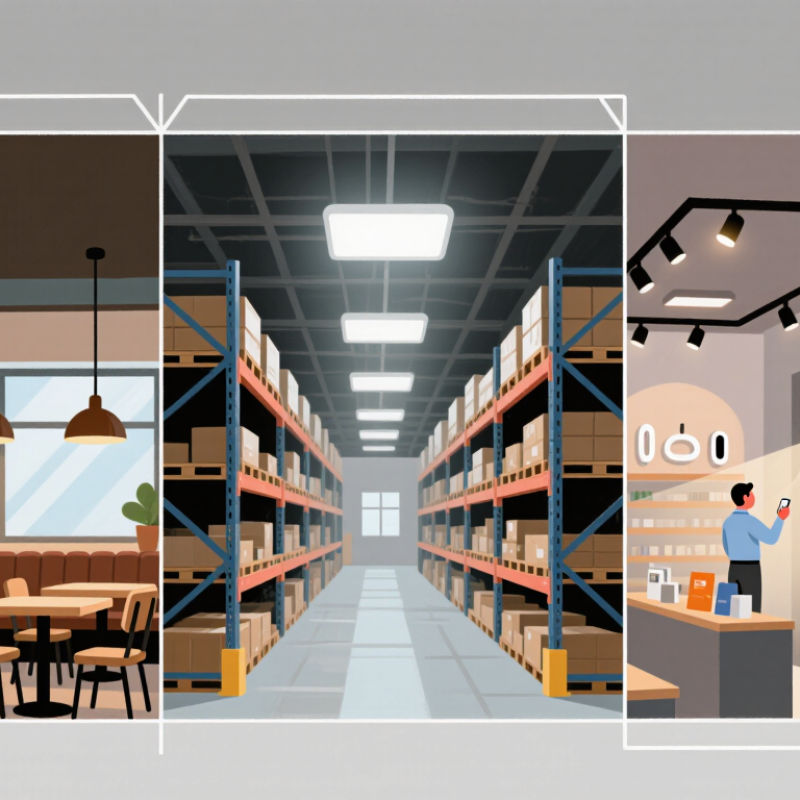
Choosing Commercial Lighting is not simply a matter of selecting bright fixtures. It involves understanding your space, customers, employees, budget, and operating hours. A small café needs warm, welcoming light, while a warehouse requires even illumination across aisles and work surfaces. A retail store may need adjustable accent lighting to highlight products without creating harsh reflections.

Lighting designer and educator Howard Brandston once said, “Good lighting is not about how much light you have, but how you use it.” This principle remains practical for modern businesses. Effective Commercial Lighting should support visibility, comfort, safety, energy efficiency, and the character of your brand. It should also work with your ceiling height, wall colors, daylight exposure, and existing electrical system.

The right decision begins with a site assessment. Measure dark corners. Watch afternoon glare. Notice where employees strain their eyes. These details matter. LED efficiency is valuable, but the cheapest fixture may produce flicker, poor color rendering, or expensive maintenance problems. Professional advice can prevent those mistakes, especially when local electrical requirements and workplace standards apply.

There is no universal lighting package. That is easy to forget. A design that succeeds in a boutique may fail in a mechanic’s workshop. Even experienced teams sometimes over-light a space or ignore future repairs. This guide will examine fixture types, color temperature, brightness, controls, installation planning, and long-term costs. It will help business owners compare attractive options with practical performance, while leaving room for honest reassessment after the lights are installed.
How to Choose Commercial Lighting for Your Business

Define Business Lighting Needs and Performance Goals

Choosing commercial lighting begins with defining the work, not browsing fixtures. I usually walk through the space during operating hours and note where people read, move, sell, or wait. A checkout counter may need bright, accurate light, while a corridor needs safe, even visibility. Ask staff where shadows, glare, or eye strain appear. Their comments often reveal problems a floor plan misses. Keep it practical.

Set measurable performance goals before requesting quotes. Specify target illuminance for each task, color rendering expectations, acceptable glare, operating hours, and control preferences. Food displays, offices, workshops, and reception areas should not share one lighting formula. Choose a color temperature that supports the environment, then test samples against walls, products, and skin tones. A warm lamp can make timber inviting but may distort product colors. High brightness is not automatically better.

Include energy use and maintenance in the brief. Estimate daily operating hours, access difficulty, cleaning needs, and replacement procedures. Dimming, occupancy sensors, and daylight controls may reduce waste, but only when staff can use them easily. My early projects sometimes prioritized energy savings and made work areas uncomfortable. That mistake was expensive to correct. Review the plan with employees before installation, then measure the finished space at desks, counters, aisles, and displays. Real conditions matter more than a perfect specification.

How to Choose Commercial Lighting for Your Business

Define business lighting needs and performance goals by comparing typical maintained illuminance targets for common commercial areas.

Higher illuminance supports detailed visual tasks, while lower levels are suitable for circulation and vehicle areas. These reference values are commonly used in lighting practice and should be verified against local regulations, room conditions, and task requirements.

Compare Commercial Lighting Types and Technologies

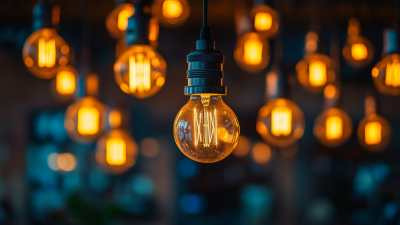
Choosing commercial lighting starts with comparing technologies, not simply counting fixtures. Incandescent lamps create warm light but waste considerable energy as heat. Fluorescent systems offer better efficiency, yet contain components that require careful disposal. LED systems usually provide longer service life, instant starting, and flexible controls. The U.S. Department of Energy reported that modern commercial LED products commonly reach about 100–160 lumens per watt, while advanced products can exceed that range.

The application changes the decision. Warehouses often need high-bay LED fixtures with wide spacing and occupancy sensors. Offices benefit from low-glare lighting, adjustable color temperature, and daylight dimming. Retail spaces may require higher color-rendering performance to show product details accurately. The International Energy Agency has reported that lighting represents roughly 15% of global electricity consumption, so small efficiency gains can become significant across a large facility. Still, efficiency alone can mislead. Poorly placed fixtures may create shadows, glare, or uncomfortable contrast.

Tips: Measure ceiling height, task areas, and existing light levels before buying. Compare lumens, watts, color rendering, warranty terms, and maintenance access. Test one zone first. A lighting simulation can help, but real observations matter more. I have seen technically efficient projects fail because workers disliked harsh light or controls were too complicated. Review energy savings after installation, then adjust schedules and sensor settings. The best design is rarely the most aggressive one.

Evaluate Light Quality, Energy Use, and Operating Costs

How to Choose Commercial Lighting for Your Business

Evaluate Light Quality, Energy Use, and Operating Costs

Commercial lighting should support work without creating glare, shadows, or eye strain. Measure light levels in the actual workspace, not only in the showroom. A retail counter may need brighter, more accurate light than a storage aisle. Check color rendering before choosing fixtures. Higher color rendering can make products, food, and materials appear more natural. Color temperature also matters. Cooler light may suit workshops, while warmer light can feel more comfortable in hospitality areas.

Tips: Compare lumens per watt, not watts alone. Review the warranty, expected lifespan, and replacement process. Ask for a lighting layout before installation. Include occupancy sensors in low-use rooms. Dimming controls can reduce energy use during quieter periods. Track monthly electricity bills after installation. Numbers reveal performance better than promises.

I once saw a bright office that still felt uncomfortable because the fixtures reflected off computer screens. The installation met its target brightness, but the layout was poorly considered. That experience changed how I review lighting plans. I now inspect glare, mounting height, maintenance access, and evening conditions.

Calculate total operating costs, including labor and replacement parts. Efficient lighting may cost more initially, yet lower energy use can improve long-term value. However, savings are not guaranteed. Poor controls, dusty fixtures, or incorrect settings can erase them. Test a small area before upgrading the entire business.

Plan Fixture Placement, Controls, and Electrical Requirements

Choosing commercial lighting is not only an aesthetic decision. Fixture placement, controls, and electrical capacity shape comfort, safety, and operating costs. The International Energy Agency reports that lighting uses about 15% of global electricity. Poor spacing can create bright patches, shadows, and unnecessary wattage. Create a scaled plan before ordering fixtures. Mark workstations, aisles, displays, windows, and ceiling obstructions. Use mounting height and beam angle to calculate spacing. A useful target is even illumination, not maximum brightness.

Controls need equal attention. Occupancy sensors suit meeting rooms, storage areas, and restrooms. Daylight sensors can reduce output near windows, but they require careful calibration. PNNL field research indicates advanced lighting controls may reduce lighting energy use by roughly 20% to 30%, depending on building use and commissioning. That range is not guaranteed. Electrical planning should include connected load, startup current, dimming compatibility, circuit capacity, emergency lighting, and accessible disconnects. Ask a qualified electrical professional to verify the design against local requirements. A beautiful plan can still fail.

Tips: Test one representative zone before full installation. Observe glare at eye level and shadows on desks. Label each control clearly. Leave spare capacity where future partitions are likely. Review sensor settings after two weeks. Users may override them. That feedback matters.

How to Choose Commercial Lighting for Your Business - Plan Fixture Placement, Controls, and Electrical Requirements

Business Area Recommended Fixture Type Typical Illuminance Placement Guidance Control Strategy Electrical Requirements Planning Note
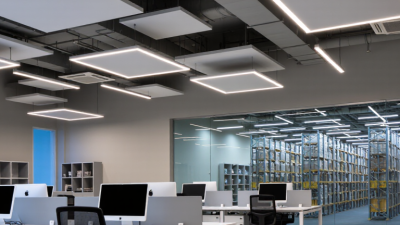
Open Office LED recessed panels, linear fixtures, or suspended direct/indirect luminaires 300–500 lux Use a regular ceiling grid layout and maintain even spacing to reduce bright and dark areas. Position fixtures to limit monitor glare. Separate switching by work zone; add occupancy sensing and daylight dimming near windows. Confirm circuit capacity, dimming compatibility, emergency-lighting provisions, and local code requirements. Choose low-glare optics for computer-based work.
Retail Sales Floor LED track lights, adjustable spotlights, or recessed accent fixtures 300–750 lux Layer general lighting with focused accent lighting. Aim adjustable fixtures at merchandise rather than directly into customers’ eyes. Use independent controls for ambient, display, and window zones; schedule lighting around operating hours. Provide sufficient circuits for track heads and confirm the connected load of all fixtures on each circuit. Accent lighting is commonly brighter than surrounding ambient light.
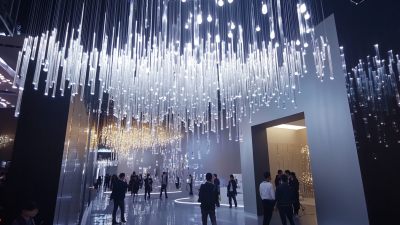
Reception and Waiting Area Decorative pendants, recessed downlights, or diffused linear fixtures 200–300 lux Place fixtures to create balanced facial illumination at the reception desk and avoid strong shadows behind visitors. Use dimming for time-of-day adjustment and separate controls for decorative lighting. Coordinate fixture locations with reception equipment, signage, data outlets, and ceiling services. Comfort and visual impression are more important than high light levels.
Conference Room Dimmable recessed fixtures, linear pendants, or indirect lighting 300–500 lux Distribute fixtures evenly across the table area. Keep luminaires out of direct projector sightlines and reduce reflections on screens. Install scene controls for meetings, presentations, video calls, and cleaning. Verify dimming protocol, control wiring, emergency operation, and compatibility with audiovisual equipment. Use separate front-of-room and general lighting zones.
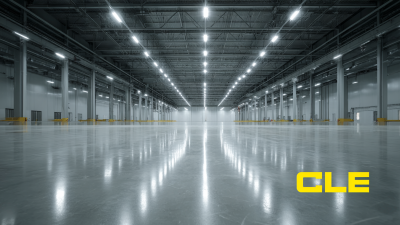
Warehouse and Storage LED high-bay or low-bay fixtures with wide or aisle-specific distribution 150–300 lux Align fixtures with aisles and rack layout. Account for mounting height, stored goods, forklift routes, and maintenance access. Use occupancy sensors by aisle or zone and daylight harvesting where skylights are present. Check mounting height, ambient temperature, ingress protection, circuit loading, and emergency egress lighting. Aisle-oriented optics can improve useful light while reducing wasted output.
Workshop or Light Industrial Area Enclosed LED linear fixtures, high-bays, and task lights 300–750 lux Combine uniform overhead lighting with localized task lighting at benches, inspection points, and machinery. Use zone switching, occupancy controls, and local task-light controls where work patterns vary. Review dust, moisture, heat, vibration, and impact conditions before selecting fixture ratings and wiring methods. Task lighting may be needed for precision work even when general lighting is adequate.
Restaurant Dining Area Dimmable pendants, wall-mounted fixtures, recessed downlights, or concealed linear lighting 100–300 lux Use layered lighting to provide comfortable table illumination while avoiding glare for seated customers. Install dimming scenes for daytime, evening, cleaning, and special events. Separate decorative and functional lighting circuits; coordinate power locations with furniture and ceiling features. Warm-white light is often selected for hospitality areas, subject to the design objective.
Kitchen or Food Preparation Area Sealed LED linear fixtures, surface-mounted fixtures, or recessed luminaires 500–750 lux Place fixtures to minimize shadows over worktops, sinks, preparation benches, and cooking stations. Use simple zone controls with occupancy sensing where appropriate; ensure controls remain accessible and cleanable. Confirm moisture, heat, cleaning, and food-safety requirements; keep electrical equipment clear of water sources. Select smooth, cleanable housings where hygiene and frequent washing are required.
Corridors and Stairs Recessed, surface-mounted, or wall-mounted LED fixtures 100–200 lux Maintain consistent spacing and illuminate stair treads, changes in level, intersections, and doorways. Use occupancy sensors with timed shutoff while maintaining required safety illumination. Provide emergency lighting and exit signage as required by applicable building and life-safety codes. Avoid abrupt transitions between adjacent bright and dim areas.
Restrooms Diffused ceiling fixtures, recessed downlights, and vanity lighting 200–300 lux Provide even general lighting and vertical illumination around mirrors without creating harsh facial shadows. Use occupancy or vacancy sensing with a suitable time delay for intermittent use. Use fixtures and wiring methods appropriate for moisture exposure and required electrical zones. Coordinate lighting with exhaust fans, mirrors, partitions, and accessibility clearances.
Exterior Entrance and Parking Areas LED wall packs, canopy fixtures, bollards, floodlights, or area luminaires 10–50 lux Light entrances, pedestrian paths, loading points, and vehicle routes evenly while controlling spill light. Use photocells, astronomical time controls, motion sensors, or a combination of these controls. Confirm weatherproof ratings, grounding, surge protection, underground wiring, and local exterior-lighting rules. Design for safe visibility without excessive glare or light trespass.
Electrical and Controls Planning Project-specific combination of LED fixtures, drivers, sensors, switches, and control equipment Based on task and code requirements Prepare a reflected ceiling plan showing fixture locations, mounting heights, control zones, sensors, and access points. Define manual, occupancy, daylight, scheduling, and emergency-control functions before ordering equipment. Calculate connected load, inrush current, voltage, circuit sharing, dimming method, disconnects, grounding, and emergency circuits. Have a qualified electrical professional verify the final design and permit requirements.

Verify Safety Standards, Maintenance Needs, and Budget Fit

How to Choose Commercial Lighting for Your Business

During a small retail refit, I learned that bright lighting can still be a poor choice.

Safety must come before appearance. Check each fixture’s safety markings, installation instructions, and suitability for damp or dusty areas. Look for recognized safety testing and conformity documentation. Ask a licensed electrician to confirm wiring, circuit load, emergency lighting, and local requirements. Documents matter. A polished showroom cannot compensate for an overheated fitting or exposed connection.

Maintenance affects daily costs more than many owners expect.

Measure ceiling height, cleaning access, replacement time, and spare-part availability before ordering. In a café, grease and steam may cloud lenses quickly. In a warehouse, vibration can loosen fittings. Choose sealed housings where conditions demand them, and create a simple inspection schedule.

Each month, check for flicker, dark spots, heat marks, loose covers, and damaged cables.

Budget fit is not the lowest purchase price. Compare installation, energy use, cleaning, replacements, and disposal over several years. Request a written quote with labor and access equipment included. Test one area before lighting the whole building.

I once underestimated lift access, and the installation estimate changed sharply. That mistake was avoidable. A cheaper fixture may also create more maintenance work than expected.